CHINA PATENT FILING
Plan protection for your innovation in China.
Invention, utility model and design applications serve different subject matter. The route depends on the product, what is new, who owns it, what has been disclosed and any existing filing history.
THREE APPLICATION TYPES
Which aspect of your product matters?
CNIPA describes three patent application types. Eligibility, novelty, drafting and any combination require a professional review of your actual materials.
A technical solution
Potentially relevant to a new technical solution for a product, process or improvement. The technical disclosure and claims need specialist drafting and substantive examination.
A product’s shape or structure
Potentially relevant to an eligible technical solution concerning a product’s shape, structure or combination. It is not a general substitute for an invention application.
A product’s appearance
Potentially relevant to eligible visual features of a product. The views, photographs or drawings and brief explanation need careful preparation.
Primary reference: CNIPA patent FAQ. The descriptions above are simplified orientation, not a patentability finding.
BEFORE A PUBLIC DISCLOSURE
Dates, ownership and technical records matter.
List any demonstration, trade-fair display, online listing, publication or offer to sell. Include the dates and what was revealed. Also identify inventors, the proposed applicant, employer or contractor agreements, and previous applications in any country.
Do not use a public website form to transmit unpublished invention details. Begin with a non-confidential summary and agree on a secure transfer route with the responsible patent professional when document review is appropriate.
Bring the timeline, not the secret files.
✓ Broad technology or product category
✓ Applicant and inventor countries
✓ Prior application numbers, if any
✓ First disclosure and planned launch dates
✓ Whether the value lies in function, structure or appearance
A RESPONSIBLE FILING WORKFLOW
Questions to settle before work begins.
An application cannot be responsibly scoped from a product photo or a one-line idea alone.
Define the asset
Separate the technical solution, product structure and appearance.
Check the history
Review disclosure, ownership and earlier filings or priority claims.
Agree secure review
Identify the qualified handling professional and safe document channel.
Approve scope
Confirm drafting, drawings, translations, filing responsibility and costs.
For an applicant without a habitual residence or business office in China, agency-handling rules may apply. The actual responsible patent agency should be identified before engagement. Read the patent-type comparison.
FREQUENT STARTING QUESTIONS
What should you ask a patent professional?
Is a product shape always a design?
No. Appearance and technical structure are different questions. A product may present more than one potential route, but each must be assessed on its own legal requirements.
Can I send my drawings in the first enquiry?
Please send only a non-confidential overview through the website. Agree on a secure process before sharing unpublished technical files.
Does a PCT application automatically protect the invention in China?
No. China national-phase entry requires its own procedural review, documents and deadlines. See the PCT China page.
One device, different kinds of innovation
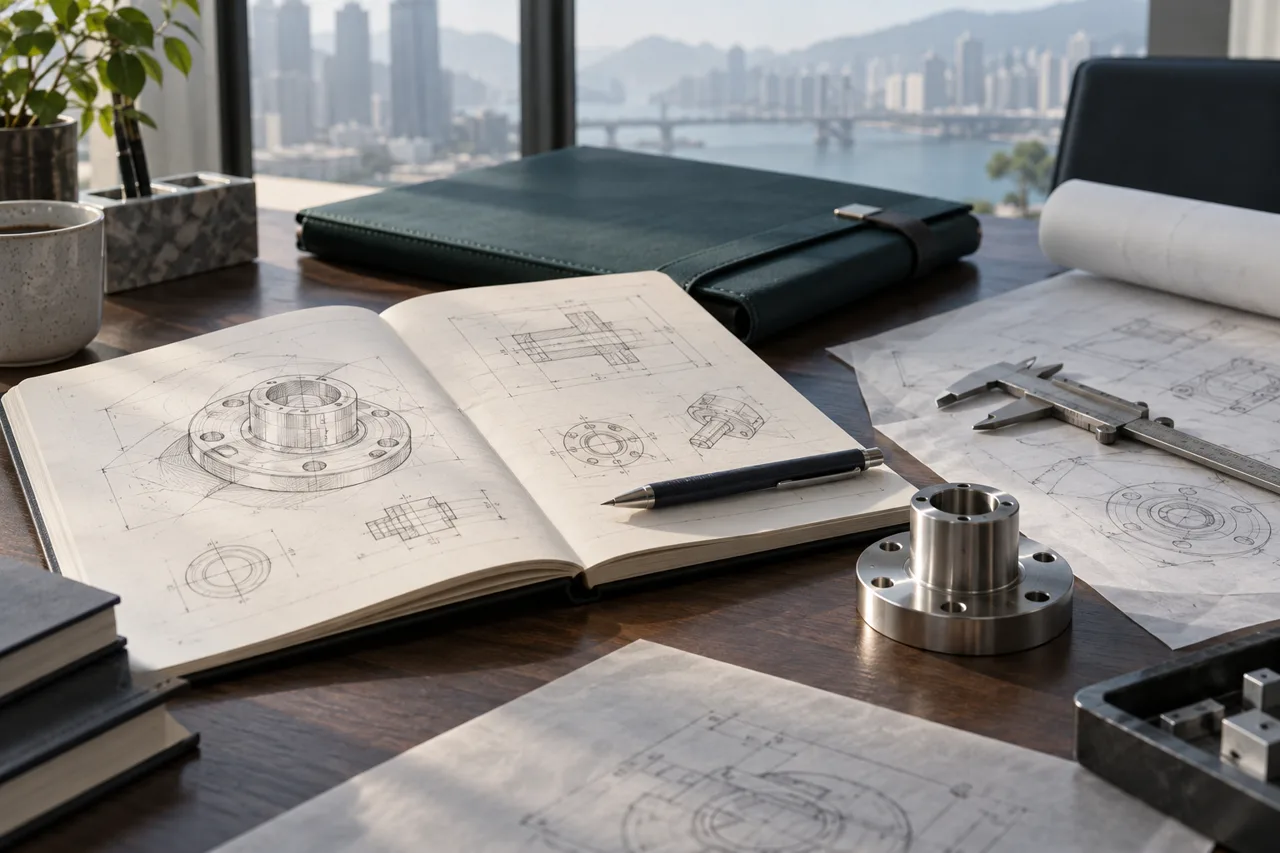
Our fictional hardware scenario separates mechanism, structure and external appearance, along with disclosure and ownership facts. It is not a client matter or claimed filing result.
REAL DOCUMENT EXCERPTS
China patent certificate examples
The images are privacy-redacted illustrations of document types, not a promise of registration or evidence of our handling of these matters.


Authentic documents supplied for illustration, not proof that China IP Agents handled these filings. Names, marks, numbers, dates, addresses and machine-readable codes have been removed. Document appearance and outcomes vary.
TAKE THE NEXT STEP
Have a China patent question?
Tell us the broad category and any upcoming date. Keep your initial description non-confidential.
